

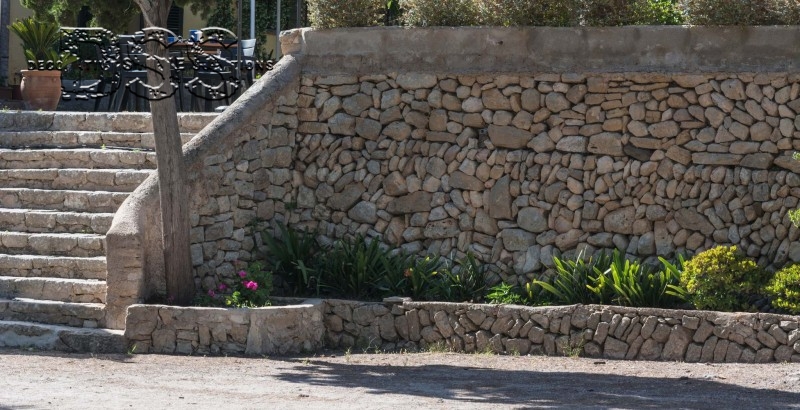
In outdoor landscaping, a few elements, like stone retaining walls, capture timeless beauty and enduring appeal. These architectural marvels blend form and function seamlessly, providing a classic elegance that enhances the aesthetic and structural integrity of outdoor spaces.
Whether used to create terraced gardens, define boundaries, or prevent soil erosion, stone retaining walls are enduring testaments to the marriage of natural materials and human craftsmanship.
This blog post will delve into the artistry and practicality of stone retaining walls, exploring their various applications, construction methods, and the unmistakable charm they bring to outdoor environments.
The Timeless Allure of Stone-Retaining Walls
Stone retaining walls bring timeless beauty and structural integrity to outdoor landscapes, adding a touch of classic elegance that withstands the test of time. These walls serve as sturdy boundaries and enhance the overall aesthetic appeal of gardens, patios, and terraces.
Fashioned from an array of natural stones such as irregular rubble/rip rap, these retaining walls flawlessly integrate into their environment, establishing a serene equilibrium between natural elements and architectural design. Such high-quality stones ensure durability, making the walls resilient against weathering and erosion.
Incorporating these walls into landscaping projects opens up opportunities for creative design, allowing for constructing multi-tiered gardens or elevated flower beds. A crushed rock walkway can be integrated to complement the overall look, providing a charming path through the outdoor space.
For a polished finish, the gravel lok product can help stabilise the ground around the retaining walls, preventing erosion and promoting a neat appearance. The versatility of these structures extends to pathways adorned with crushed stone for landscaping, offering a cohesive and visually appealing outdoor environment that combines functionality with aesthetic charm. Stone retaining walls are enduring symbols of classic elegance in outdoor design.
Applications of Stone Retaining Walls
Stone retaining walls are versatile structures with a wide range of applications in outdoor landscaping. Their natural beauty, durability, and functionality make them popular for various purposes. Here are some key applications of landscaping stone retaining walls
1. Terraced Gardens
Stone retaining walls are frequently used to create terraced gardens on sloped or uneven terrain. By constructing a series of retaining walls in a stepped fashion, the landscape is transformed into level platforms, providing a visually appealing and functional space for planting flowers, shrubs, or even small trees. Terraced gardens enhance the area's aesthetic appeal and maximise the use of space for cultivation.
2. Erosion Control
One of the primary purposes of stone retaining walls is to control soil erosion. When installed on slopes or hillsides, these walls act as barriers, preventing soil from being washed away during heavy rainfall or storms. The retaining walls help stabilise the soil, reducing the risk of landslides and protecting the landscape's integrity. This application is particularly crucial in areas prone to erosion.
3. Boundary Definition
Stone retaining walls are used to define boundaries and create distinct outdoor zones. Whether separating a garden from a driveway, delineating the edges of a patio, or marking the perimeter of a property, these walls serve as visually appealing and sturdy boundary markers. The natural look and feel of stone contribute to a sense of permanence, reinforcing the delineation of different spaces.
4. Sitting Walls and Outdoor Seating
Incorporating different types of stone retaining walls into outdoor seating areas is a popular design choice. Low-height retaining walls can double as sitting walls, providing functional seating spaces for gatherings, relaxation, or contemplation. These walls add a touch of elegance to outdoor areas while serving a dual purpose as both seating and retaining structures.
5. Water Features
Stone retaining walls can create visually striking water features such as cascading waterfalls or raised ponds. The natural appearance of the stone complements the water elements, creating a harmonious and tranquil atmosphere. Whether used to retain the water or as decorative elements within the water feature, these walls enhance the overall aesthetics of outdoor spaces.
6. Staircases and Pathways
In landscapes with elevation changes, stone retaining walls can be integrated into the design of staircases, walkways and pathways. These walls provide structural support and define the edges of the stairs or pathways, preventing soil erosion and adding a decorative element to the overall design. The use of stone enhances the rustic or natural look of these features.
7. Outdoor Living Spaces
Stone retaining walls can define and structure outdoor living spaces such as patios and courtyards. These walls can serve as backrests for outdoor furniture, create a sense of enclosure, and contribute to the overall design theme of the space. The natural appeal of stone adds warmth and character to outdoor living areas.
8. Landscaping Accents
Stone retaining walls can be used as decorative elements within the landscape. Whether as freestanding art installations, decorative pillars, or focal points in a garden, these walls contribute to the overall visual interest of the outdoor environment. Using different stone types, textures, and shapes allows for creative expression in landscaping design.
Construction Methods and Techniques
1. Dry-Stacked Walls
A hallmark of traditional stone retaining walls is dry stacking, which involves carefully placing stones without using mortar or adhesive. This method relies on the precise arrangement of stones to create a stable and visually appealing structure. Dry-stacked walls often showcase the natural beauty of the stones, allowing their varied colours and textures to shine through. This environmentally friendly construction technique promotes better drainage, preventing water buildup behind the wall.
2. Mortared Walls
In contrast to dry-stacked walls, mortar retaining walls use mortar or a similar adhesive to bind the stones together. This method offers additional stability, making it suitable for taller walls or those subjected to heavy loads. Mortared walls offer a heightened sense of sophistication and elegance, as the mortar acts as a cohesive factor that can be tailored to match and perfectly enhance the overall design concept. While offering structural advantages, mortared walls may require professional installation to ensure long-term stability.
3. Segmental Retaining Walls
Modern construction techniques have introduced segmental retaining walls of pre-formed concrete blocks designed to interlock and create a stable structure. These blocks often mimic the appearance of natural stone, providing a versatile and cost-effective alternative. Segmental retaining walls are relatively easy to install and can accommodate curves and angles, offering flexibility in design. The uniformity of the blocks ensures a consistent and polished look, making them suitable for a range of outdoor settings.
The Aesthetic Appeal of Stone Retaining Walls
Stone retaining walls extend beyond their functional roles, contributing to outdoor landscapes' visual allure and overall charm. The natural characteristics of stone, including its texture, colour variations, and inherent beauty, make each wall a work of art. The following aspects highlight the aesthetic appeal of these timeless structures:
1. Texture and Variation
The natural stone exhibits a rich and varied texture that adds depth and character to retaining walls. The interplay of light and shadow on the irregular surfaces creates a visually dynamic effect, giving the walls a sense of organic beauty. The inherent variation in colour and pattern from one stone to another further enhances the uniqueness of each wall, ensuring that no two are identical.
2. Harmony with Nature
Stone retaining walls seamlessly integrate with the natural environment, enhancing rather than competing with the surrounding landscape. Their earthy tones and rugged textures create a sense of harmony with the elements, making them a fitting choice for gardens, parks, and other outdoor spaces. Using natural materials reinforces the connection between the built environment and the organic world.
3. Versatility in Design
Stone retaining walls offer unparalleled versatility in design, allowing for a wide range of aesthetic expressions. Whether aiming for a rustic, cottage-inspired look or a more contemporary and streamlined appearance, the choice of stone type, construction method, and overall design can be tailored to specific preferences. The adaptability of stone retaining walls makes them a valuable addition to landscapes of varying styles.
Maintenance and Longevity
The durability of stone retaining walls is a key factor in their enduring popularity. When skillfully built and consistently maintained, these walls have the resilience to endure over time, standing strong against the various challenges presented by nature's elements. Important considerations regarding maintenance include:
1. Weed Control
Over time, weeds may find their way between the stones of a retaining wall. Regular inspection and removal of vegetation growth help prevent the roots from compromising the wall's structural integrity. Applying a weed barrier during construction can also be an effective preventive measure.
2. Water Drainage
Sufficient drainage plays a pivotal role in ensuring the extended lifespan of retaining walls. Water buildup behind the wall can exert pressure and cause damage over time. Ensuring proper drainage through gravel or drainage pipes can help mitigate this risk. Regular inspection of drainage channels is essential to identify and address potential issues.
3. Cleaning and Sealing
Depending on the type of stone used, periodic cleaning may be necessary to remove dirt, moss, or algae that can accumulate on the surface. Sealing the stones can provide additional protection against the elements and enhance longevity. The regularity of cleaning and sealing relies on various factors, including the climate, exposure levels, and the stone's unique attributes.
Conclusion
In outdoor landscaping, the enduring charm and practicality of stone retaining walls make them an evergreen choice for elevating the aesthetics and utility of outdoor environments. From terraced gardens to erosion control and boundary definition, these walls serve multiple purposes with a timeless elegance that transcends trends.
The use of decorative rock network can further enhance their beauty and functionality. Whether constructed using traditional dry-stacking methods, mortared for added stability, or through modern segmental designs, stone retaining walls testify to the enduring marriage of natural materials and human craftsmanship.
As we continue to appreciate the beauty of outdoor environments and seek sustainable solutions for landscaping challenges, stone retaining walls remain a steadfast and aesthetically pleasing choice. Their effortless integration into the natural surroundings, providing structural support, and offering a canvas for artistic expression ensures they will continue to grace gardens, parks, and residential spaces for generations. In the outdoor design world, stone retaining walls embody the classic elegance that stands the test of time.
Decorative stone solutions elevate Stone Retaining Walls, infusing outdoor spaces with classic elegance. These solutions offer aesthetic versatility Through various stone types, textures, and colours. Whether creating terraced gardens or defining boundaries, decorative stones enhance the visual appeal, contributing to the timeless charm of outdoor landscapes.