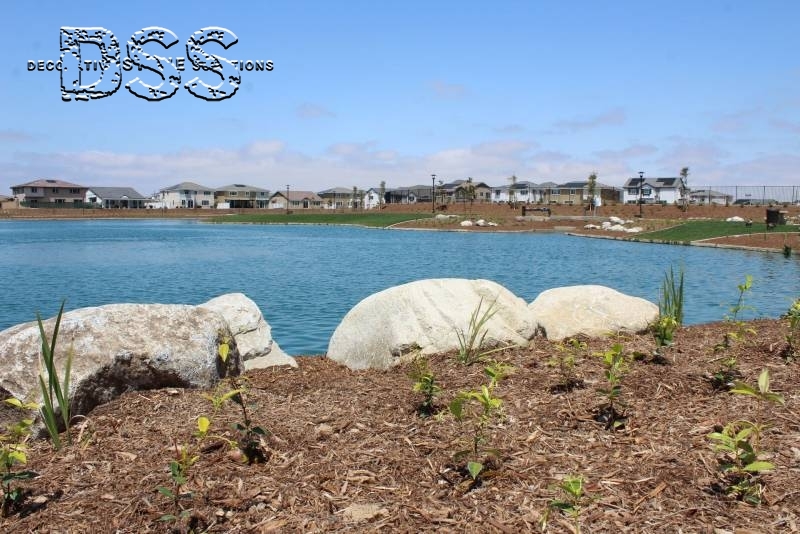

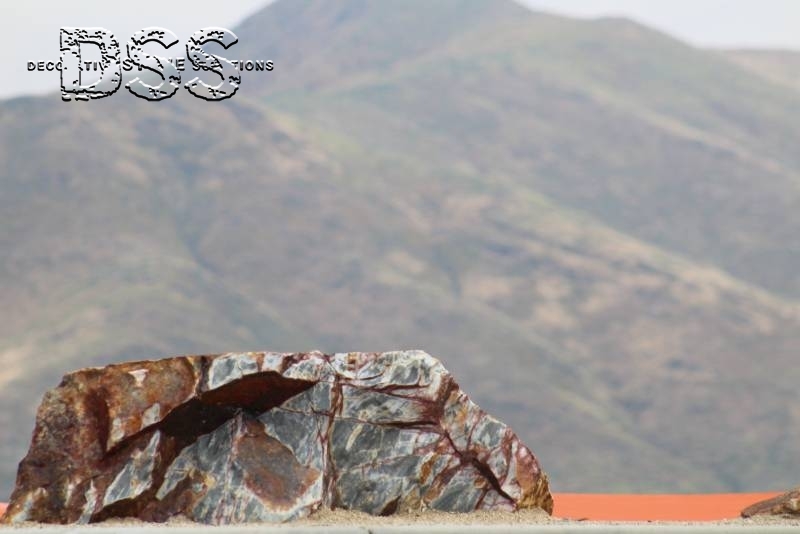
Natural boulders are an excellent way to add organic beauty and functionality to outdoor spaces. From retaining walls to garden features or standalone landscape focal points, they create a timeless, earthy appeal. However, due to their inherent variability, incorporating natural stones into your landscape design requires thoughtful planning and realistic expectations.
Let’s dive into the unique nature of natural boulders, common challenges in their use, and tips for designing with them effectively.
The Unique Nature of Natural Boulders
Natural boulders differ significantly from manufactured materials. Each stone is a product of geological processes, resulting in unique sizes, shapes, and textures. While this variability adds charm, it also makes precise sizing difficult.
-
Size Range:
Boulder sizes typically fall into broad categories—small (1–2 feet), medium (2–3 feet), large (3–4 feet), and extra large (5’ and up). Sizes are approximate, with variability expected even within these ranges. -
Irregular Shapes:
No two boulders are alike. A stone that appears large from one angle might look smaller from another. This irregularity creates dynamic visual interest but limits uniformity.
The appeal of natural boulders lies in their uniqueness. While it may be tempting to seek uniformity, embracing their imperfections will enhance your landscape's authenticity.
Challenges in Quarrying and Sourcing
Natural boulders are harvested from quarries and grading projects, where their shapes and sizes are determined by nature rather than human design. This leads to several challenges:
-
Size Variability: The number 1 challenge we face with supplying natural boulders is that it can be difficult, if not impossible, to guarantee the exact size or shape you want.
Quarries extract stones as they occur, making it impossible to guarantee exact dimensions. Orders for “3-foot boulders” may yield stones between 2.5 and 3.5 feet. -
Inventory Limitations:
The availability of certain sizes or shapes depends on a quarry’s current stock, regional differences, and seasonal factors. A quarry might have abundant 3-foot boulders one month and none the next. -
Subjective Sizing:
Sizing terms like "small" or "medium" can be subjective. What seems large to a homeowner might feel modest to a commercial landscaper used to working with oversized stones.
Quarry operators and suppliers aim to meet customer preferences, but natural variability and inventory constraints mean adjustments are often necessary.
The Charm of Natural Imperfections
One of the greatest appeals of natural boulders is their organic, imperfect beauty. Their uniqueness makes them a powerful design element, adding depth and character to any landscape.
-
Dynamic Aesthetic:
A mix of sizes and shapes enhances the natural look of a landscape. Uniform stones can appear manufactured, detracting from their authenticity. A project consisting of 90 boulders all hand selected for 3’ sizing will not look very natural. -
Flexible Placement:
Stones can be oriented in various ways to suit your design. A slightly irregular shape may complement the landscape better than a perfectly symmetrical one.
These imperfections are not flaws but features, showcasing the raw, untamed beauty of nature.
DSS is often asked by architects and designers if they can come to our various sourcing quarries to hand tag or select the pieces to be used in their projects. Unfortunately the overwhelming majority of quarries do not allow for hand picking of pieces for several reasons
-
Liability of having non MSHA trained individuals moving around unstable piles of boulders in a working quarry
-
Unrealistic selection of pieces that are in the back of the pile or behind other pieces which requires a large amount of an equipment operator’s time and material movement to pull from the pile
-
Lack of manpower or proper equipment to perform the type of sorting hand selection requires
When quarries do allow for hand selection it often requires travel to distant quarries adding to the designer’s or installation contractors budget. Most retail landscape stone yards will allow for hand selection of pieces, but they have already transported bulk amounts of various sized boulders from the quarry to their retail location only then to be sorted for selected pieces and then shipped again to the jobsite. All of this adds to the landed cost of boulders not to mention the additional cost of installing them at the jobsite.
For this reason hand selection can work for small residential and commercial projects but isn’t a viable option for most larger commercial projects
We have had some success in virtual tagging boulders based on current photos of a quarry’s boulder stock piles. This gives the designer a better level of control on size, shape, and color of material that will be delivered to a jobsite.
Tips for Working with Natural Boulders
To ensure a successful project, keep the following strategies in mind:
-
Communicate Clearly:
Share your preferences and needs with Decorative Stone Solutions but remain open to flexibility. Request size ranges or weight specifications for clarity. -
Plan for Variability:
Incorporate adaptability into your design to accommodate natural variations in size and shape. -
Embrace Irregularities:
Design with the unique qualities of each stone in mind, letting their imperfections enhance your project’s natural aesthetic.
Conclusion: Celebrate Nature’s Beauty
Natural boulders bring unmatched beauty and character to landscapes, transforming outdoor spaces into works of art. While their variability poses challenges, it also offers unique opportunities for creativity and design.
By setting realistic expectations, embracing imperfections, and being flexible with sizing, DSS can help you create a stunning, harmonious landscape that celebrates the raw beauty of nature. Remember, no two boulders are the same—and that’s exactly what makes them special.
Would you like further help enhancing your design with these timeless natural elements? Let’s get started!