

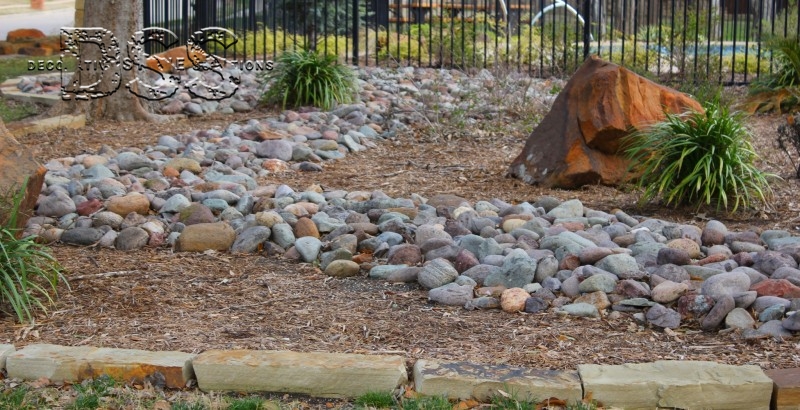
Landscaping with river rock has become an increasingly popular choice, particularly in dry climates where water conservation is paramount.
Incorporating river rocks into landscaping elevates the visual charm of outdoor spaces while providing eco-friendly solutions for homeowners seeking to establish landscapes that are both low-maintenance and water-efficient. In this comprehensive guide, we will explore various landscaping ideas with river rocks, focusing on how these rocks can be effectively utilized in backyard landscaping to create visually stunning and eco-friendly outdoor spaces.
Benefits of Landscaping with River Rock in Dry Climates
1. Water Conservation
Landscaping with river rock in dry climates significantly contributes to water conservation. River rocks act as a natural mulch, reducing soil evaporation and enhancing water retention. Their porous nature allows rainwater to penetrate the soil, promoting a more efficient use of water resources. By reducing water loss through evaporation and runoff, homeowners can establish sustainable landscapes that flourish in arid conditions, simultaneously curbing water consumption.
2. Low Maintenance
One of the key benefits of using river rocks in landscaping is the low maintenance they require. Unlike traditional lawns or gardens, river rocks do not demand regular watering, mowing, or fertilizing. This makes them ideal for individuals seeking a visually appealing outdoor space without the time-consuming and resource-intensive tasks associated with conventional landscaping. The low-maintenance aspect also aligns with sustainable practices, reducing the need for water and chemical inputs.
3. Erosion Control
In dry climates prone to erosion, landscaping with river rock provides an effective solution for soil stabilization. Placing river rocks strategically along slopes and in areas susceptible to erosion helps prevent the loss of topsoil. The rocks act as a barrier, slowing water flow and minimizing soil displacement. This erosion control protects the landscape and contributes to the ecosystem's overall health by preserving valuable soil nutrients and preventing sedimentation in nearby water bodies.
4. Drought Resistance
River rocks are inherently well-suited to withstand drought conditions, making them an excellent choice for landscaping in arid climates. Their composition and structure allow them to endure periods of dryness without deteriorating or losing their aesthetic appeal. By incorporating river rocks into the landscape, homeowners can create resilient outdoor spaces that maintain their beauty even during water scarcity. This quality is especially valuable in regions where water restrictions are common, as it allows for creating sustainable and visually pleasing landscapes that thrive in challenging environmental conditions.
5. Versatile Design Options
Landscaping with river rock offers various design possibilities, adding versatility to outdoor spaces. Whether used in rock gardens, pathways, or as accents in water features, river rocks contribute to diverse and aesthetically pleasing landscapes. Their varied shapes, sizes, and colors allow for creative expression and customization, enabling homeowners to design unique, personalized outdoor environments. This versatility not only enhances the landscape's visual appeal but also allows homeowners to express their individual style while maintaining a sustainable and water-wise approach to landscaping in dry climates.
Landscaping with River Rock Ideas
1. Rock Gardens
Creating a rock garden is a popular landscaping idea incorporating river rocks into the design. This involves arranging rocks of various sizes and shapes to mimic the natural terrain. Planting drought-resistant plants among the rocks enhances the garden's beauty while minimizing water usage.
2. Pathways and Walkways
Using river rocks to create pathways and walkways in the backyard is functional and visually appealing. The smooth, rounded edges of the rocks provide a comfortable surface for walking, and the porous nature of the rocks allows rainwater to penetrate the soil, reducing runoff.
3. Dry Riverbeds
A creative and practical landscaping idea involves designing a dry riverbed using river rocks. This adds a unique feature to the backyard and serves a functional purpose by directing rainwater away from the house. The dry riverbed can be complemented with drought-resistant plants for added visual interest.
4. Rock Mulching
Replace traditional mulch with river rocks for a sustainable and long-lasting solution. Rock mulching helps retain soil moisture, suppress weed growth, and prevent erosion. It also adds a decorative element to flower beds and garden areas.
5. Water Features
Incorporating water features into backyard landscaping with river rock creates a harmonious blend of nature. Installing a pond, fountain, or waterfall surrounded by river rocks adds a tranquil element to the outdoor space while maintaining a water-wise approach.
6. Boulder Accents
Integrating larger river rocks or boulders, especially those sourced as landscaping rocks San Diego, into the landscape design adds a bold and striking element. Boulders from the San Diego area can be strategically placed to define borders, create focal points, or serve as natural seating. Their durability and resistance to weathering, a hallmark of quality landscaping rocks from San Diego, make them a lasting addition to any landscape.
Design Tips for Backyard Landscaping with River Rock
1. Variety in Size and Color
Achieving a harmonious and visually dynamic landscape with river rocks involves embracing variety in size and color. Instead of using uniform rocks, opt for a mix of shapes, sizes, and colors to add depth and interest to your backyard.
Larger rocks can be focal points, while smaller ones fill gaps and create texture. The interplay of different hues, from earthy browns to muted grays, contributes to a natural and aesthetically pleasing environment. This diversity enhances the visual appeal and mimics the randomness found in nature, creating a more organic and balanced landscape.
2. Balance with Plants
To soften the hardscape and introduce a touch of greenery, strategically integrate drought-resistant plants with river rocks. The juxtaposition of rocks and plants creates a balanced and visually appealing composition.
Consider planting ground covers, succulents, or ornamental grasses among the rocks to provide color and texture. This combination enhances the overall aesthetic and promotes biodiversity, attracting pollinators and creating a more vibrant and lively backyard.
3. Erosion Control
Leverage the functionality of river rocks by strategically placing them in areas prone to erosion. In sloped landscapes, rocks act as a natural barrier, slowing water flow and preventing soil displacement. By using river rocks for erosion control, you address a practical concern and add a decorative element to the landscape.
Consider creating terraced areas with rocks to control runoff effectively. This design prevents soil erosion and adds structure and visual interest to the landscape, turning a potential problem into a captivating design feature.
4. Sustainable Drainage Solutions
Incorporate river rocks into your backyard's drainage system to promote sustainability and effective water management. Create permeable surfaces using rocks, allowing rainwater to penetrate the soil and recharge groundwater. Designing rain gardens with strategically placed river rocks enhances the absorption of excess water, preventing waterlogging.
This eco-friendly approach reduces the risk of flooding and contributes to the conservation of water resources. By embracing sustainable drainage solutions with river rocks, you create a functional and environmentally conscious landscape, demonstrating a commitment to responsible landscaping practices.
5. Artistic Arrangement and Focal Points
Transform your backyard into a work of art by approaching the arrangement of river rocks with a creative mindset. Use rocks to create artistic patterns, spirals, or mosaics that draw the eye and evoke a sense of design sophistication. Consider incorporating larger rocks as focal points to anchor specific landscape areas.
These focal points can serve as natural seating, emphasizing the beauty of the rocks while providing functional spaces for relaxation or socializing. By embracing an artistic approach to arranging river rocks, you add a unique and personalized touch to your backyard, turning it into a visually captivating and inviting outdoor sanctuary.
Conclusion
Landscaping with river rock in dry climates offers many benefits, from water conservation to low maintenance and enhanced aesthetics. The diverse range of landscaping ideas with river rock provides homeowners with creative options to design sustainable and visually appealing outdoor spaces. Whether creating a rock garden, installing pathways, or incorporating water features, the versatility of river rocks makes them a valuable and eco-friendly addition to any landscape. As more homeowners seek sustainable solutions, landscaping with river rock is a practical and environmentally conscious choice for transforming dry spaces into thriving, water-efficient oases.