Landscape stone pathways tips and hacks
While there are few actual hard and fast rules when using landscape stone to create or border pedestrian pathways in the landscape world, we have put together a guide to assist in minimizing the amount of maintenance and replenishment work that will be needed.
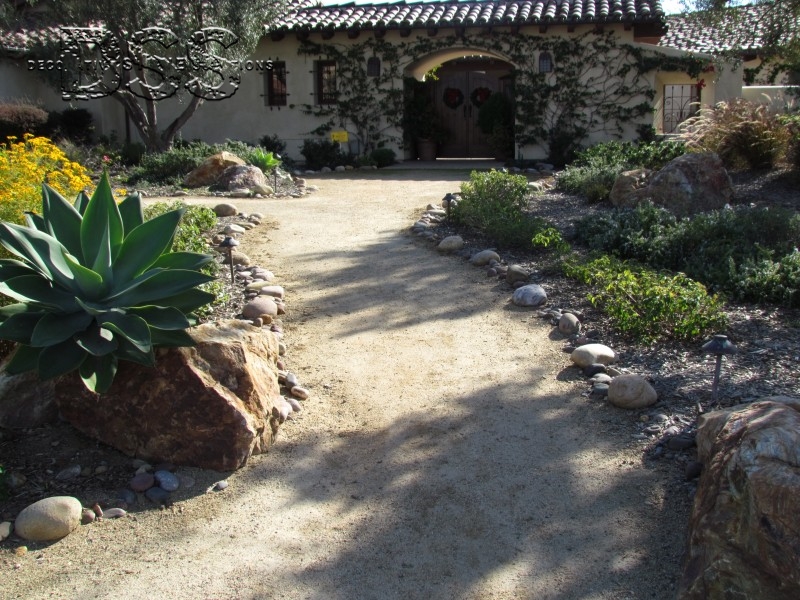
For the walking surface itself smaller gravels (¼”-¾”) are preferable to larger sizes (>1”). Walking on smaller rocks is generally easier and safer than walking on larger rocks for several reasons:
-
Stability: Smaller rocks, especially if they are packed closely together, tend to provide a more stable and even surface. This stability reduces the likelihood of slipping or twisting an ankle compared to larger rocks, which can be uneven and unstable.
-
Surface Area: A surface covered with smaller rocks often has more contact points for your feet, distributing your weight more evenly. In contrast, larger rocks have fewer contact points and can create awkward footing, increasing the risk of imbalance.
-
Flexibility: When walking on smaller rocks, there is usually more give in the surface, allowing it to conform slightly to the shape of your foot and provide better grip. Larger rocks are rigid and can be slippery, particularly if they are wet or covered with moss.
-
Navigability: Smaller rocks generally require less energy to step on and over compared to larger rocks, which may require more effort to climb or navigate around.
Please note that the ease of walking on rocks also depends on other factors such as the type of shoes you are wearing (if any at all), your physical condition, and the specific environment (e.g., wet or dry conditions).
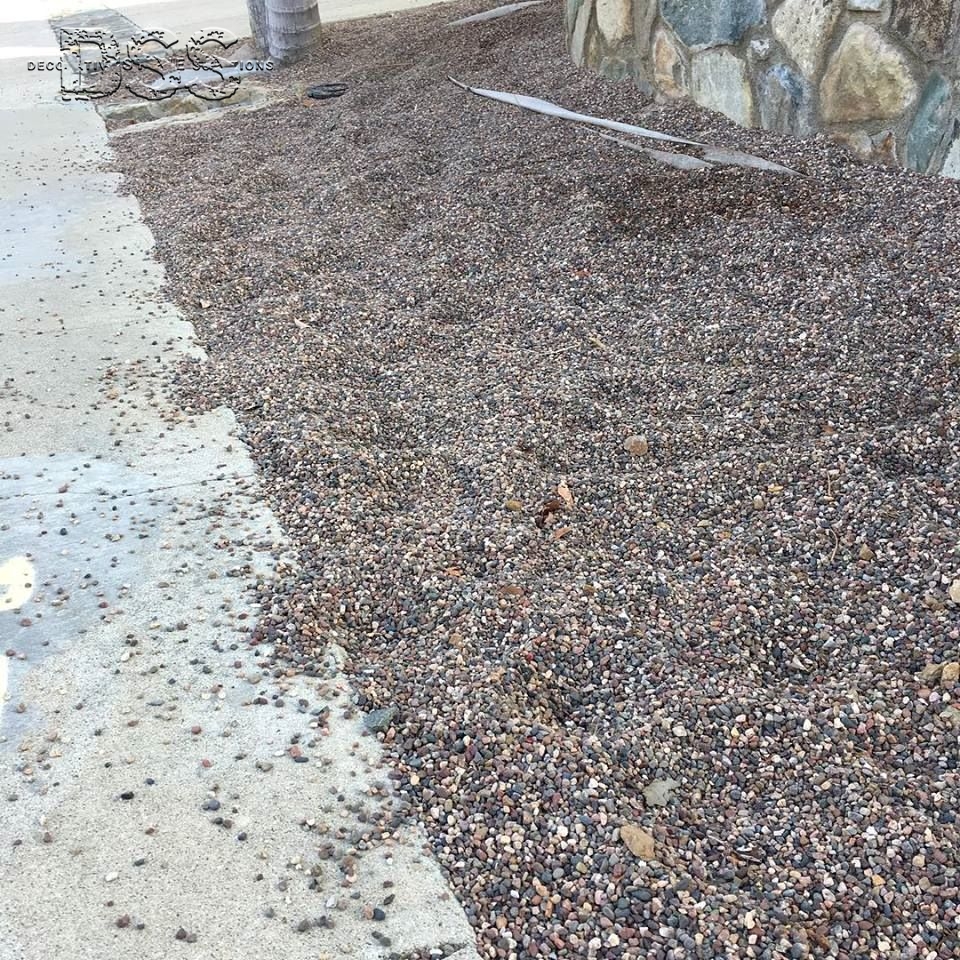
Remember that if installing smaller gravels they should be contained on all sides by borders which are taller than the level of the gravel to minimize the possibility of gravel migrating to other surfaces by getting kicked or moved by water.
Angular is better than rounded:
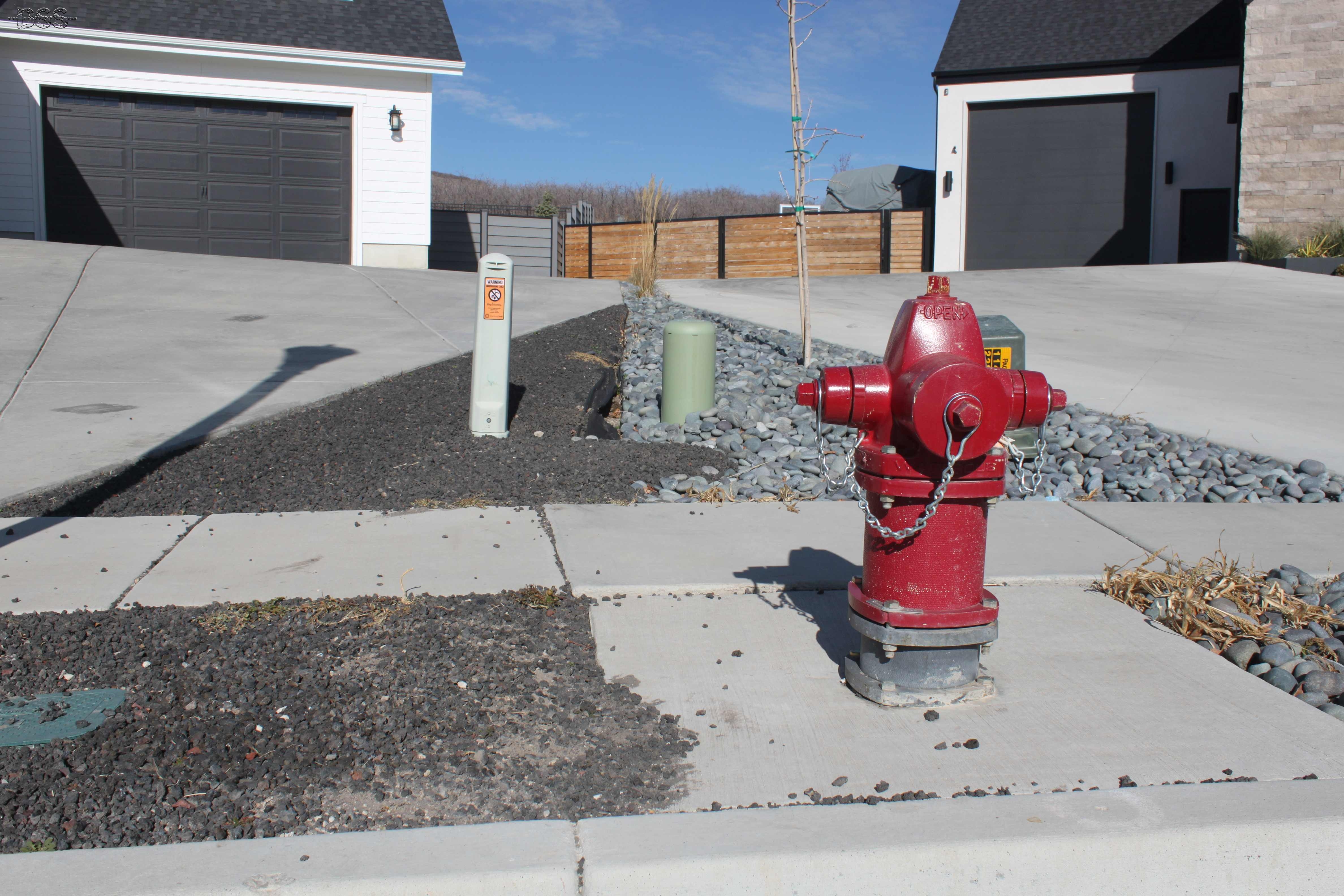
Angular gravel pieces have sharp edges and flat surfaces, which allow them to interlock more effectively when compacted. The irregular shapes fit together like pieces of a puzzle, providing greater stability and resistance to movement. In contrast, round gravel, with its smooth, rounded edges, tends to shift and roll more easily. This makes it less stable and more prone to displacement under pressure.
Friction:
-
The increased surface area and rough texture of angular gravel create more friction between individual stones. This friction helps to hold the stones in place, preventing them from shifting.
-
Round gravel has less surface area in contact with adjacent stones, resulting in lower friction and a higher tendency for movement.
Compaction:
-
Angular gravel compacts more tightly, leaving fewer gaps and voids between the stones. This tight compaction enhances the overall structural integrity and load-bearing capacity of the gravel layer.
-
Round gravel, due to its inability to fit closely together, tends to leave more voids, reducing the overall compactness and stability.
Load Distribution:
-
The interlocking nature of angular gravel distributes applied loads more evenly across the gravel bed. This is particularly beneficial in applications such as driveways, walkways, and road bases where load-bearing capacity is critical.
-
Round gravel's lack of interlocking reduces its ability to distribute loads effectively, which can lead to uneven settling and rutting under pressure.
Use larger stones to border pathways:
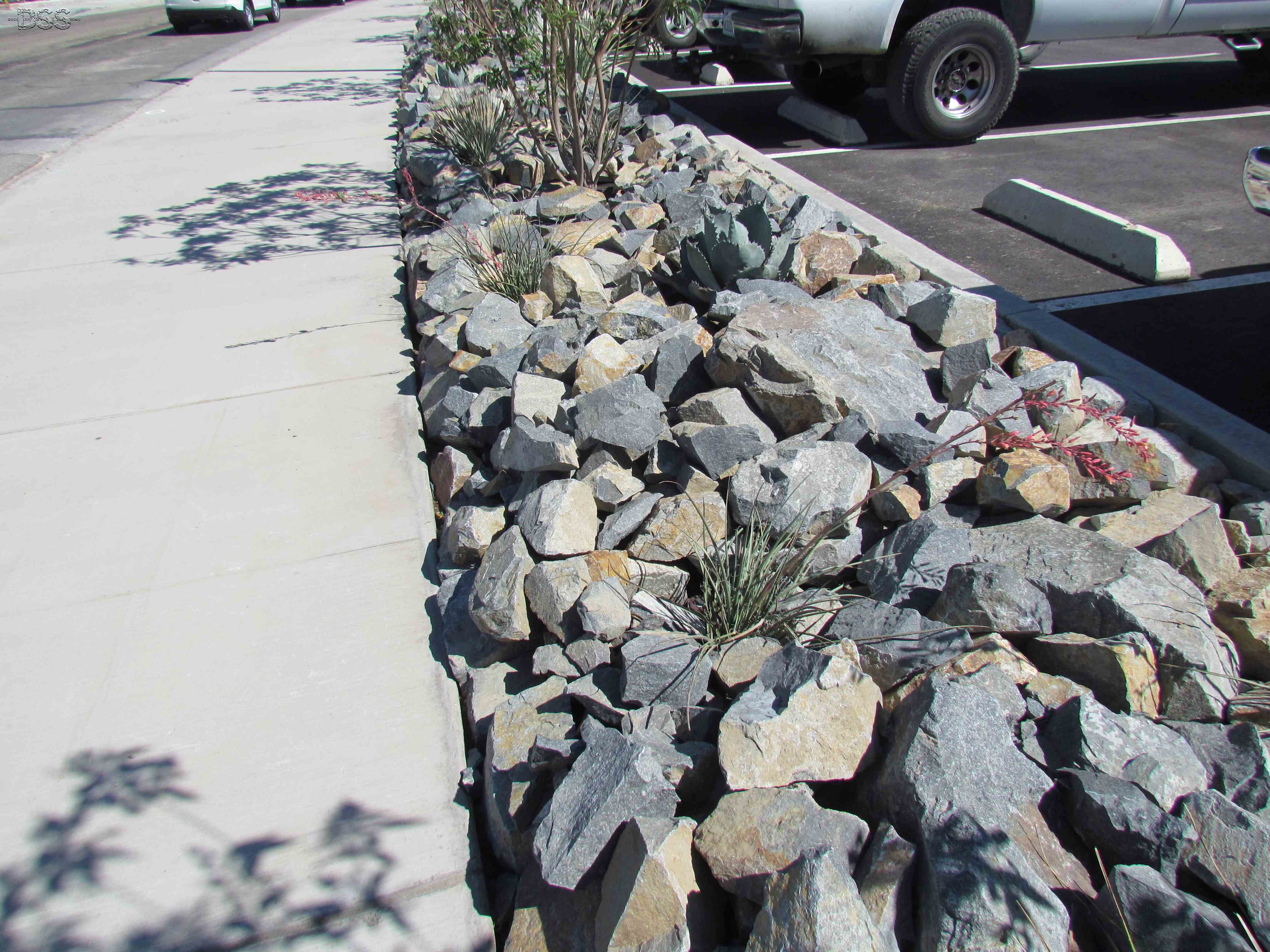
The use of larger stones as a border to landscape pathways not only helps to physically contain the smaller pathway stones, they will also discourage pedestrians from stepping off the path and shortcutting through the landscape and they are difficult to walk on.
Things to keep in mind:
-
Assess the Area:
-
Choose the Right Rocks:
-
Select large, durable rocks that are heavy enough to stay in place and difficult to move.
-
Choose rocks that match the existing landscape to maintain visual appeal.
-
Placement:
-
Position the rocks close enough to each other to prevent people from walking between them.
-
Make sure the rocks are placed firmly into the ground to avoid easy displacement.
-
Stagger the rocks in a natural-looking pattern rather than in a straight line for a more pleasing visual effect.
-
Ensure Safety:
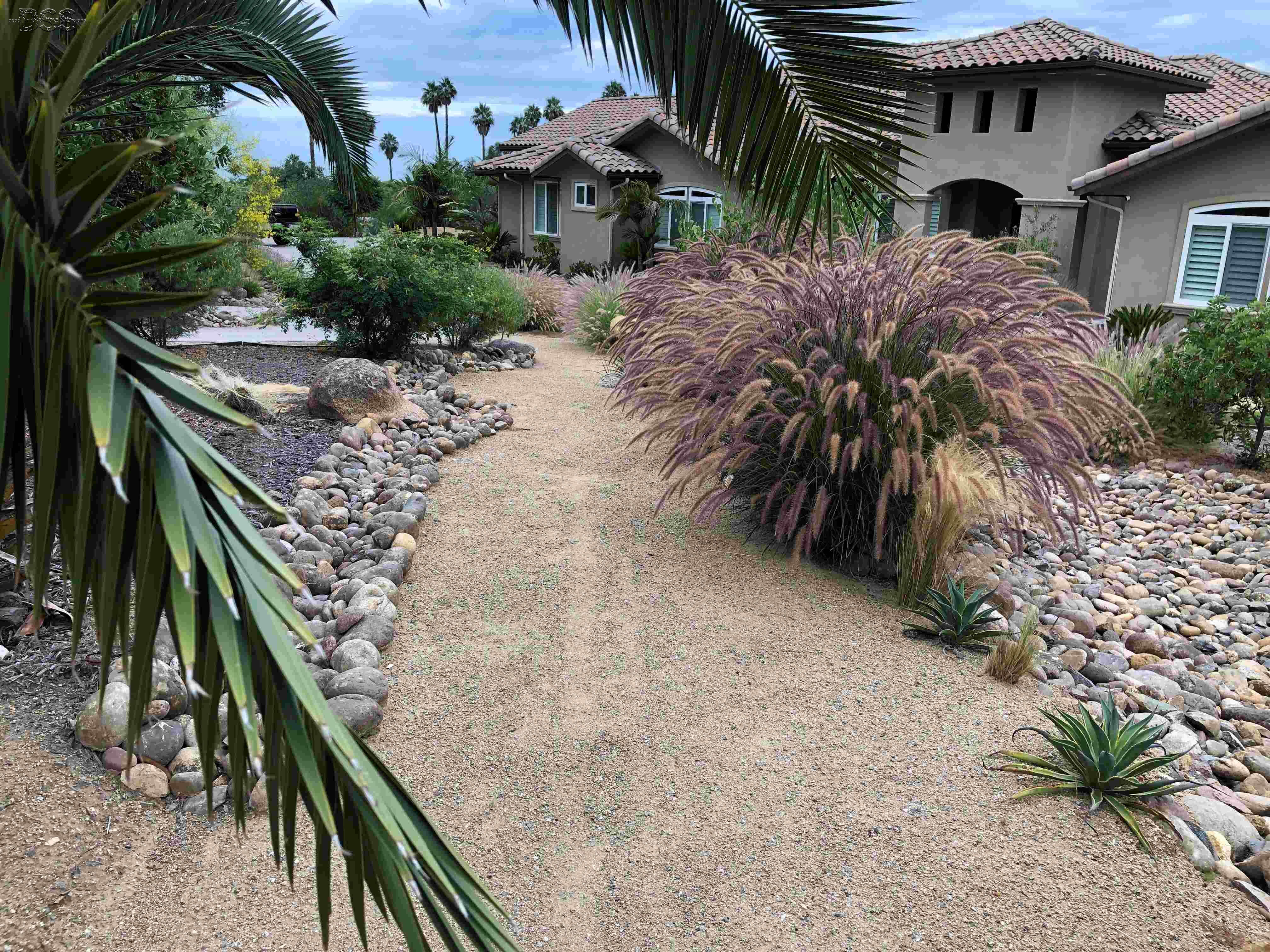
A byproduct of not utilizing the above information in designing and installing your landscape path is the creation of cowpaths. In landscape architecture and urban planning, "cowpaths" refer to informal, naturally occurring pathways created by the repeated use of pedestrians or animals. These paths are typically created because they represent the shortest or most convenient route between two points, regardless of the planned or formalized pathways that may exist. The term "cowpath" draws from the way cows in a pasture create visible trails by consistently walking the same routes.
Avoiding cowpaths in landscape design involves anticipating natural traffic patterns and creating paths that guide movement efficiently and aesthetically. Some additional strategies to help avoid the creation of informal, unintended pathways (cowpaths) are:
-
Observe Natural Movement: Before finalizing your design, observe how people naturally move through the space. Temporary paths or markers can help identify these patterns.
-
Plan Pathways Thoughtfully: Design pathways that follow the natural flow of foot traffic. Ensure paths connect key destinations directly and conveniently.
-
Use Durable Materials: Construct paths using durable materials such as stone, concrete, or gravel to withstand frequent use and weather conditions.
-
Edge Control: Install edging along paths to discourage walking off the designated route. This can include low fencing, hedges, or decorative borders.
-
Attractive Planting: Use attractive plantings and landscaping features to direct foot traffic. Dense, thorny, or otherwise unappealing plants can naturally discourage off-path walking.
-
Signage and Lighting: Use clear signage to guide people along preferred routes. Adequate lighting can also highlight pathways and make them more inviting to use.
-
Maintenance: Regular maintenance of paths ensures they remain in good condition and attractive to use. This reduces the temptation to forge new paths.
-
Furniture Placement: Strategically place benches, tables, and other outdoor furniture to encourage people to stay on the designated paths and gathering areas.
-
Barrier Implementation: Temporary or permanent barriers like ropes, low fences, or plant beds can prevent new cowpaths from forming.