

Landscaping has a special talent for making outdoor areas look beautiful. It works like an artist's paintbrush, creating captivating spaces that catch our attention and bring out the hidden charm of open areas.
One versatile and cost-effective material that has gained popularity among homeowners and landscapers is decorative stone aggregates, commonly known as gravel. Gravel comes in various sizes, colors, and textures, making it a versatile choice for landscaping projects.
This blog will explore nine creative ways to use gravel in landscaping, offering inspiration and ideas for transforming outdoor spaces into stunning and functional areas.
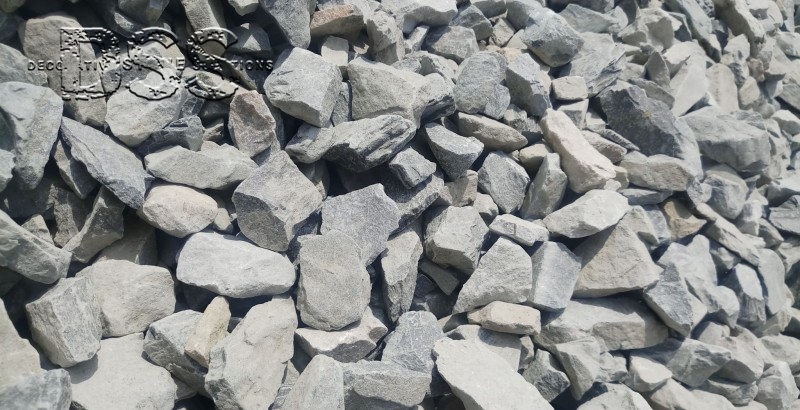
Decorative stone aggregates, or decorative gravel or crushed stone, are natural or synthetic stones used for landscaping and decorative purposes. These decorative stone aggregates come in various sizes, shapes, colors, and textures, and they can enhance the aesthetic appeal of outdoor spaces, gardens, pathways, driveways, and other areas.
Here are some common types of decorative stone aggregates:
1. River Rock
River rock is smooth, rounded stones usually larger than pea gravel. They are often used for water features, decorative borders, and garden accents.
2. Crushed Granite
Crushed granite is a durable and versatile decorative stone aggregate created by crushing rocks. It is commonly used for pathways and driveways and as a base material for outdoor construction projects.
3. Lava Rock
Lava rock is a lightweight, porous decorative stone aggregate formed from volcanic rock. It is often used for decorative purposes in gardens and landscaping due to its unique texture and color.
4. Marble Chips
Marble chips are small pieces of marble that can be used for decorative purposes. They are available in various colors and can be used in gardens, flower beds, and as a topping for potted plants.
5. Slate Chips
Slate chips are thin, flat stones in different colors, including gray, blue, and red. They are commonly used for pathways, patios, and as ground cover.
6. Beach Pebbles
Beach pebbles are smooth, rounded stones naturally tumbled by the ocean waves. They come in various sizes and colors and are often used for water features, borders, and decorative accents.
9 creative ways to use gravel in landscaping
1. Pathways and Walkways
Gravel is an excellent choice for creating pathways and walkways throughout your landscape. Whether you opt for a natural, rustic look or a more formal design, gravel pathways provide an inviting and visually appealing addition to any outdoor space.
The variety of gravel sizes allows you to customize the look and feel of your pathways. Smaller gravel works well for compacted and stable paths, while larger stones can create a more dramatic and textured effect.
Consider edging your gravel pathways with stones or bricks to maintain the shape and prevent spreading.
2. Driveways
Gravel driveways have long been popular due to their durability and affordability. They provide an attractive alternative to traditional concrete or asphalt driveways.
Gravel driveways are relatively easy to install and maintain and offer good drainage properties. When choosing gravel for a driveway, opt for larger-sized decorative stone aggregates to ensure stability and minimize displacement.
Regular maintenance, such as raking and replenishing the gravel as needed, will help maintain its appearance and functionality.
3. Patios and Terraces
Gravel can also create unique and charming outdoor patios and terraces. It offers a natural, relaxed atmosphere, perfect for casual outdoor spaces. To create a gravel patio or terrace, prepare a level base and install a weed barrier to prevent weed growth.
Choose a gravel size that is comfortable to walk on, such as pea gravel or crushed stone. Consider adding stepping stones or pavers to define seating or dining areas within the gravel space.
Additionally, incorporating outdoor furniture, plants, and lighting will enhance the overall ambiance of your gravel patio or terrace.
4. Garden Borders
Gravel can be a fantastic choice for defining garden borders and separating different areas within your landscape. Its versatility allows for creative border designs that can complement any garden style.
Use larger stones or decorative gravel to create a visual distinction between your garden beds and the surrounding lawn or pathway.
Gravel can also serve as a natural mulch, helping to retain soil moisture and suppress weed growth. Its permeability allows for proper water drainage, ensuring the health of your plants.
5. Water Features
Gravel can be an excellent addition to water features like ponds, fountains, or dry riverbeds. It creates a natural and organic look, enhancing the visual appeal of the water feature.
For ponds, use larger-sized gravel around the edges to create a transition between the water and the surrounding landscape. In dry riverbeds or waterless waterfalls, use different gravel sizes to simulate the movement and flow of water.
The gentle sound of water flowing over the small rocks can bring a calming and peaceful feeling to your outdoor area.
6. Xeriscaping
Xeriscaping, a landscaping approach that promotes water conservation, can greatly benefit from using gravel. Gravel is a practical and attractive ground cover in xeriscaped gardens, reducing water evaporation from the soil surface and suppressing weed growth.
It also helps to stabilize slopes and prevent erosion in areas with minimal rainfall. Choose gravel in earthy tones to complement the natural and low-water plants commonly found in xeriscapes.
This combination creates a harmonious and environmentally friendly landscape.
7. Outdoor Seating Areas
Gravel can create inviting and comfortable outdoor seating areas. By defining a specific space with gravel, you can delineate a seating area within a larger landscape.
Consider using larger-sized gravel or crushed stone as the primary seating area and surrounding it with smaller gravel or stepping stones for pathways.
Adding outdoor furniture, such as benches or chairs, cushions, and decorative elements, will transform the area into a cozy and relaxing retreat.
8. Play Areas
Gravel can be a safe and practical choice for play areas, especially under swing sets or play structures. Its soft surface helps cushion falls and reduces the risk of injury.
Choose a compacted gravel base to ensure stability and proper drainage. Pea gravel is a popular option for play areas due to its small size and comfortable texture.
It is important to regularly inspect and maintain the gravel play area to ensure it remains free from debris and hazards.
9. Decorative Accents
Finally, Gravel can be used as a decorative accent throughout your landscape. Consider using colored gravel or different gravel sizes to create visual interest and focal points.
Gravel can be used in decorative pots or containers, as a top dressing for potted plants, or as a base for statues and garden ornaments.
Its versatility allows you to experiment with various arrangements and designs, adding a touch of creativity and personality to your outdoor spaces.
Benefits of using gravel in landscaping
1. Versatility
Gravel is flexible when designing your landscape because it comes in many different sizes, colors, and textures. It can create different styles, from natural and rustic to formal and structured landscapes.
2. Cost-Effective
Gravel is a cost-effective option for landscaping projects. It is generally more affordable than materials like concrete or paving stones, making it an excellent choice for covering large areas or creating pathways and driveways.
3. Low Maintenance
Gravel requires minimal maintenance compared to other materials. Occasional raking and replenishment are needed to keep the gravel looking its best. It does not require sealing, painting, or regular upkeep.
4. Effective Drainage
Gravel's porous nature allows for excellent drainage. It helps prevent water pooling and flooding, making it ideal for areas with heavy rainfall or poor soil drainage.
5. Weed Control
When combined with a weed barrier, gravel effectively suppresses weed growth. This reduces the need for constant weeding and minimizes the use of chemical weed control methods.
Conclusion
Decorative stone aggregates, such as gravel, offer endless possibilities for enhancing your landscape. Whether you create pathways, driveways, patios, or garden borders, gravel provides a versatile, cost-effective, and visually appealing solution.
By exploring the nine ways to use gravel in landscaping mentioned above, you can transform your outdoor spaces into stunning and functional areas that reflect your style and complement your overall landscape design.
So, embrace the beauty and versatility of gravel and let your creativity flourish in your landscaping endeavors.