

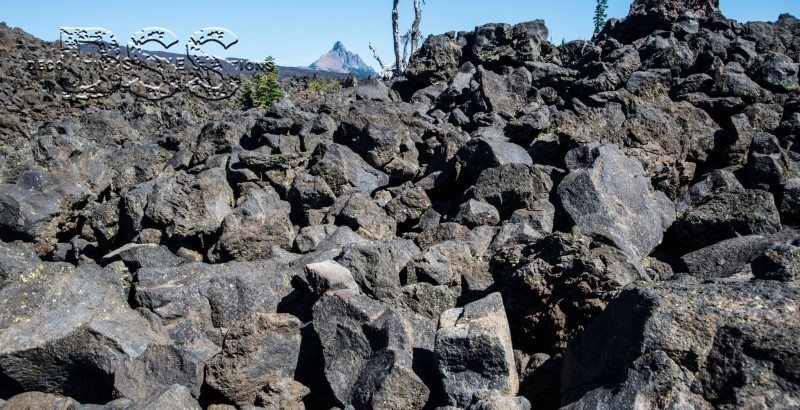
The foundation of modern civilization is built upon solid ground, and at the very core of this foundation lies a crushed stone. Crushed stone is essential in countless construction projects, from road construction to building foundations and landscaping.
This seemingly mundane material is born from the depths of hard rock quarries, transforming massive, unyielding rock into versatile and indispensable crushed stone. This comprehensive exploration will delve into hard rock quarries, the remarkable process of producing crushed stone, its diverse applications, and the environmental considerations of this essential industry.
Hard Rock Quarries - The Genesis of Crushed Stone
1. The Geological Origin
Hard rock quarries are natural treasures hidden beneath the Earth's surface. They are typically situated in geological formations that consist of igneous, metamorphic, or sedimentary rocks. These rocks, formed over millions of years, are the raw material for crushed stone production. Understanding the geological aspects of quarries is essential to appreciate the journey of crushed stone.
2. Quarry Location
The location of a quarry is carefully chosen based on the quality and abundance of the rock. Proximity to construction sites and transportation infrastructure also play a pivotal role. Quarries are strategically positioned to minimize transportation costs and environmental impact.
3. Quarrying Techniques
Quarrying operations are for the strong-hearted. Explosives, heavy machinery, and skilled workers extract rock from the Earth. The process often begins with using explosives to blast away large chunks of rock, initiating the transformation from solid rock to crushed stone.
The Crushing Process
1. Primary Crushing
Once the rocks have been extracted, they are transported to a primary crusher, typically a large, stationary machine. The primary crusher reduces the rocks into manageable sizes, usually between 6 and 10 inches in diameter. This first crushing stage is essential in preparing the rock for further processing
2. Secondary Crushing
After primary crushing, the rock is further reduced in size using secondary crushers, which can be stationary or mobile. These machines crush the rock into smaller fragments, typically less than 3 inches in diameter, creating what is known as "crushed stone." The secondary crushing process is highly efficient and yields a consistent product size.
3. Screening and Sorting
Once crushed, the material undergoes screening and sorting to ensure the final product meets specific size and quality requirements. Various screens and conveyors are employed to separate the crushed stone into different sizes, then stored in stockpiles.
Applications of Crushed Stone
1. Building Foundations
The construction of stable and resilient foundations for buildings and structures relies on crushed stone. The stone creates a solid, level base that evenly distributes the structure's weight. Crushed stone also aids in drainage, preventing water from seeping into the foundation.
2. Landscaping and Gardening
Crushed stone is a versatile landscaping material. It is used for pathways driveways and as a decorative element in gardens and outdoor spaces. Different crushed stone colors and sizes can be chosen to create visually appealing designs.
3. Concrete Production
Crushed stone plays a critical role in concrete production. It is one of the primary aggregates used in concrete, contributing to its strength and durability. The gradation and quality of crushed stone directly impact the properties of the concrete.
Environmental Considerations
1. Environmental Impact Assessment
The quarrying of hard rock for crushed stone production can have environmental consequences. Quarry operators must conduct environmental impact assessments to minimize the impact on local ecosystems, air quality, and water resources.
2. Water Management
Quarry operations require water for dust suppression, cooling machinery, and washing crushed stone. Proper water management ensures water resources are not depleted or polluted.
3. Reclamation and Rehabilitation
Responsible quarry operators engage in reclamation and rehabilitation efforts to restore quarried areas to a natural or usable state. This can include regrading, planting vegetation, and creating wetlands, thus mitigating the long-term environmental impact.
4. Noise and Dust Control
Quarry operations generate noise and dust, which can disrupt neighboring communities. Implementing measures to control noise and dust emissions is essential to maintain good relations with residents.
The Future of Crushed Stone Production
1. Sustainability Initiatives
As environmental concerns continue to grow, the crushed stone industry is exploring sustainable practices, such as using renewable energy sources, recycling water, and reducing carbon emissions.
2. Technological Advancements
Advancements in technology, including using more efficient crushers, automated sorting systems, and data analytics, are improving quarry operations' efficiency and environmental performance.
3. Recycling and Reuse
Quarry operators are increasingly considering recycling and reusing materials within the quarry and in construction projects. Recycled crushed stone can be an environmentally friendly alternative.
4. Education and Regulation
The industry promotes education and regulation to ensure safe and sustainable quarry operations. Regulatory authorities are actively involved in formulating guidelines and standards to mitigate the industry's environmental footprint.
Conclusion
The production of crushed stone from hard rock quarries is a vital and intricate process that supports the infrastructure and development of our modern world. These quarries harness the Earth's geological history, and through a series of carefully orchestrated steps, they transform colossal rocks into the cornerstone of construction – crushed stone.
The versatility and durability of crushed stone are matched only by the industry's responsibility to manage its environmental impact and strive for sustainability.
The future of crushed stone production lies in a balance between the industry's essential role in construction and preserving our planet. As technology advances and environmental awareness grows, the hard rock quarrying industry is on a path toward responsible and sustainable operations. Through innovation and cooperation, the industry can continue to supply the world with the materials it needs while protecting the environment that makes it all possible.
Decorative stone solutions are pivotal in the construction industry by providing cost-effective access to various quality stones. This benefits builders and contractors with competitive pricing and supports sustainable and versatile options for construction projects, contributing to efficient and durable infrastructure.